Spa & Wellness Stays on Gangehi
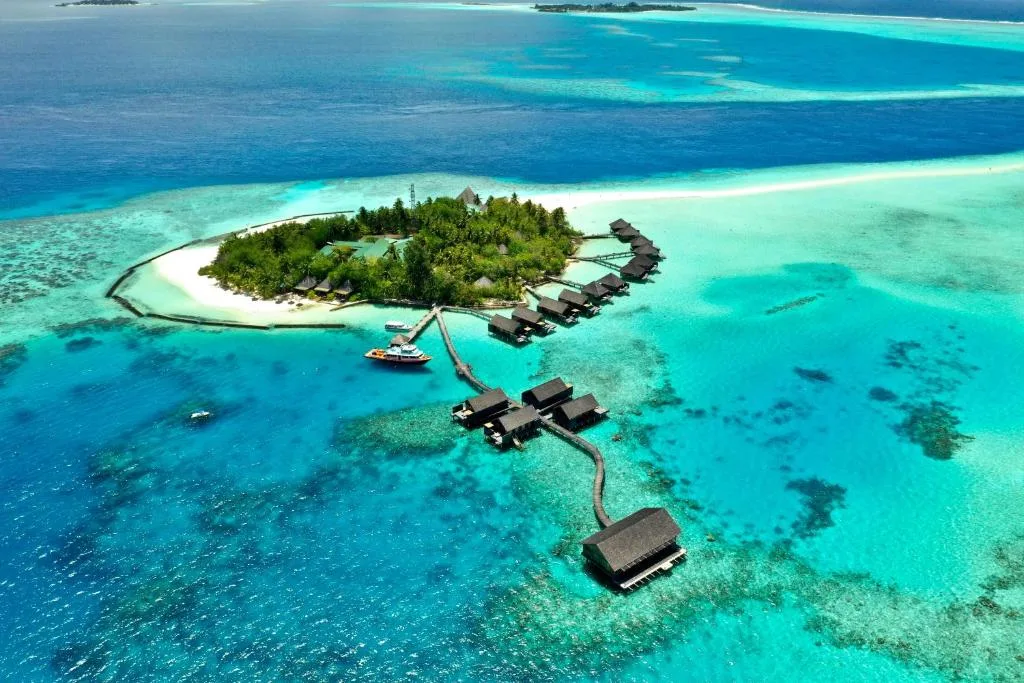
Wellness at Gangehi Island Resort & Spa centres on the Ginger Spa's ayurvedic treatments rather than the post-dive recovery focus common at more diving-oriented resorts nearby. Open-air yoga sessions run alongside the treatment menu, and the whole programme leans toward a slower, more traditional idea of rest than an active-stay spa built around fitness facilities. Because Gangehi has no village or second hotel, wellness time here fills the same unhurried role the house reef and canoes do elsewhere on the island: something guests fit into an already relaxed day rather than a scheduled centrepiece. Garden rooms, the quietest of the resort's three room categories, particularly suit guests prioritising this side of the stay.
Gangehi's wellness identity leans traditional rather than design-forward: ayurvedic treatments and open-air yoga rather than a contemporary spa built around post-activity recovery. That fits the island's overall character, since Gangehi has always read as the quieter, more domestic option in this stretch of North Ari Atoll, closer to a family retreat than an active-couples resort. The absence of a village, a second hotel or a speedboat transfer all point the same direction: a slower island where wellness time isn't squeezed between excursions but sits at the centre of an already unhurried day.
Spa & Wellness · Gangehi in numbers
Where to stay
How wellness works at Gangehi Island Resort & Spa
The Ginger Spa earns its place on a wellness shortlist through its ayurvedic focus, a genuinely different approach than the more generic spa menus found at some neighbouring North Ari Atoll resorts. Treatments tend to run longer than a standard massage, which suits Gangehi's slower pace better than a resort built around packing in activities. Open-air yoga sessions add a structured, low-impact movement option alongside the treatments, and because Gangehi Island Resort & Spa has no speedboat option and depends on daylight seaplane transfers, the island's rhythm overall favours guests who want fewer scheduled commitments rather than a packed itinerary.
Ayurvedic treatments at the Ginger Spa typically run longer than a standard resort massage, often built around a specific dosha-based approach rather than a generic relaxation menu. Guests unfamiliar with ayurveda should ask the spa to explain the treatment before booking, since the pacing and technique differ meaningfully from a Swedish or deep-tissue massage more common at other Maldives resorts. Booking earlier in the stay, rather than saving it for the last day, gives guests time to request a different approach if the first treatment doesn't suit their preference, since a single try rarely settles the question either way.
Open-air yoga sessions at Gangehi Island Resort & Spa run on a fixed but modest schedule, typically morning classes suited to guests wanting structured movement before the day's heat sets in. Unlike a fitness-centre workout, the sessions tend to draw a mixed group of ability levels, since the pace stays accessible rather than performance-focused. Guests travelling without a mat should check availability in advance, since equipment at a smaller resort like Gangehi is more limited than at a larger, purpose-built wellness property, and arriving a few minutes early tends to secure the better spots on the deck.
Garden rooms, the quietest of Gangehi's three room categories, tend to suit guests prioritising spa and yoga time over house-reef proximity, since they sit further from beach activity and closer to the resort's calmer interior. That trade-off is worth weighing at booking: a beach villa or overwater bungalow puts snorkelling steps away but sits closer to the daytime traffic around the house reef, while a garden room trades some water access for quiet, a swap that suits guests planning more spa mornings than swim mornings across a Gangehi Island Resort & Spa stay.
Because Gangehi runs on a single daylight seaplane transfer with no speedboat backup, wellness-focused guests benefit from building slack into arrival and departure days specifically, since a delayed connection can eat into spa time reserved for the first or last day of a trip. Booking Ginger Spa treatments for the middle of the stay, rather than bookending the trip with them, generally avoids this risk and matches Gangehi's broader unhurried pace better than a tightly scheduled spa itinerary planned around a single, weather-dependent arrival window that can shift by hours without much notice.
A traveler's takeI booked my first Ginger Spa treatment on day two rather than saving it for the end, and it was the right call: the ayurvedic approach took some explaining from the therapist before I understood the pacing, and I ended up rebooking a different treatment for later in the stay based on that first session. The open-air yoga class became a fixture most mornings, less about fitness than about easing into Gangehi's generally unhurried rhythm before the day's heat set in.
Local tips
- 1Book your first Ginger Spa treatment early in the stay rather than on the last day, so you have time to adjust if the ayurvedic approach isn't quite what you expected.
- 2Ask the therapist to explain the treatment's dosha-based approach before starting if you're unfamiliar with ayurveda, since the pacing differs from a standard massage.
- 3Check yoga mat availability in advance if you're particular about equipment, since Gangehi is a smaller resort with more limited gear than a purpose-built wellness property.
- 4Choose a garden room if spa and yoga time matters more to you than house-reef proximity; it trades some water access for a quieter setting.
- 5Book spa treatments for the middle of your stay rather than the first or last day, to avoid losing the slot if your seaplane connection runs late.
- 6Attend an open-air yoga class even if fitness isn't your priority; the pace is accessible and works well as a gentle start to the day.
Related searches
Spa & Wellness · Frequently asked
It focuses on ayurvedic treatments rather than a generic relaxation menu, with sessions typically longer than a standard massage and built around a dosha-based approach rather than one-size-fits-all techniques.