House Reef Stays in Rasdu, Maldives
House reef access in Rasdu means stepping off a jetty rather than boarding a boat, and the two resorts here handle that differently. Veligandu's reef sits on the ocean side of its sandbank, opposite the calm lagoon, giving snorkellers a genuine drop-off close to shore. Niva Kuramathi pairs its own reef with an on-site water sports and diving centre, useful for anyone wanting guided trips as well as solo snorkelling. Neither replaces the atoll's signature dive at Rasdhoo Madivaru, where hammerhead sharks gather in open water, but both give guests a reliable daily alternative without booking a boat.
Rasdu's underwater side has two distinct rhythms. Around Veligandu, the pace is unhurried: a short swim to the reef, a walk back across warm sand, repeat until the light changes. Around Niva Kuramathi, there's more infrastructure and more choice, dive boats leaving on a schedule, tanks to fill, a bigger island to explore between sessions. Further out, Rasdhoo Madivaru adds a third mood entirely, a colder, deeper, more serious kind of diving built around a single dawn window when hammerheads are most reliably seen. Together they give Rasdu a range that a single-resort atoll usually can't match.
House Reef · Rasdu in numbers
Where to stay
Reef access at the doorstep, two ways
Choosing a house reef stay in Rasdu usually comes down to how much of the underwater experience you want built into your accommodation rather than arranged separately. Veligandu's reef sits a short swim from most villas, so an hour before dinner can turn into a snorkel without any planning. Niva Kuramathi's larger footprint means a longer walk to the water in places, offset by a proper dive centre for guests who want tanks rather than a mask and fins. Either way, the atoll's location keeps boat-based options like the Rasdhoo Madivaru hammerhead dive within easy reach on the days you want more.
Veligandu's house reef, within Rasdhoo Atoll, runs along the ocean side of the island, opposite the calm lagoon where families tend to gather, and the drop-off starts close enough to shore that confident swimmers can reach it without a boat. Because the island itself is a sandbank rather than a large landmass, the reef wraps most of its perimeter, so a change of villa location still leaves guests within a short walk of decent snorkelling. Turtles and reef fish are commonly reported here, and the resort's small size means the reef rarely feels crowded even during busier weeks.
Niva Kuramathi's reef sits alongside a proper water sports and diving centre, which matters if snorkelling from the shore is only part of what you want from the stay. The island's scale, the same one that gives it twelve restaurants, means the walk to a good reef entry point can take longer than on a smaller island like Veligandu, but the trade-off is a dive operation that can also run boat trips out toward Rasdhoo Madivaru for guests chasing hammerhead sharks. Snorkellers who stay closer to the jetty area tend to report the most consistent visibility.
The house reefs at both resorts are a different experience from Rasdhoo Madivaru, the channel between the local islands of Rasdhoo and Madivaru where scalloped hammerhead sharks are seen on dawn dives for most of the year. That site sits in open water around twenty to thirty metres down, reached by boat rather than from the beach, and suits certified divers more than snorkellers. Guests who want both experiences typically treat the house reef as the daily default and book the hammerhead dive as a single dedicated outing early in the stay.
For a first Maldives trip built mainly around snorkelling rather than certified diving, Veligandu's reef is the more forgiving choice, since the shallower approach and smaller island make it easy to judge conditions from the beach before getting in. Niva Kuramathi suits divers who want the option of tanks and guided trips without switching resorts partway through the stay, and its water sports centre can also handle equipment that a smaller island like Veligandu isn't set up for. Either resort works as a base for the Rasdhoo Madivaru hammerhead dive, since both sit inside the same atoll.
A traveler's takeI snorkelled Veligandu's reef most mornings before breakfast and never needed a boat to see something worth photographing, mostly turtles and the occasional reef shark cruising the drop-off. On the one day we booked a dive trip out to Rasdhoo Madivaru from Niva Kuramathi's dive centre, the hammerheads showed up right on schedule in the blue water below us, which the instructor said isn't always guaranteed even there.
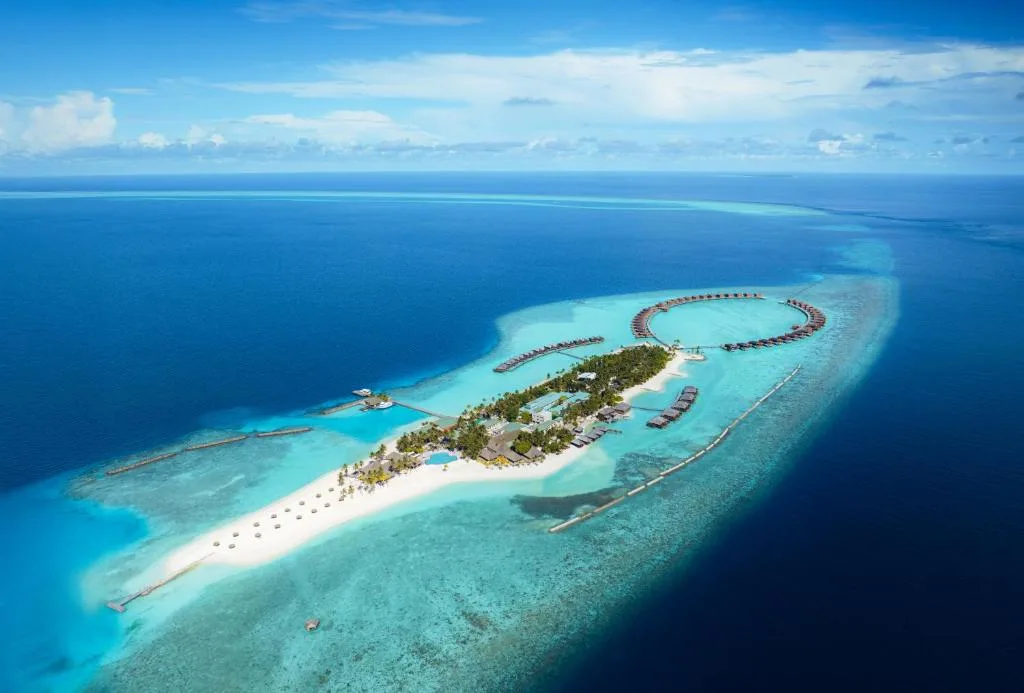 Rasdu
RasduVeligandu Maldives Resort Island
4.8Private beach, sea-view rooms, and a focus on wellness and diving
Veligandu Maldives Resort Island is located in Rasdu and offers a private beach area, an outdoor swimming pool, and a fitness center. Guests can enjoy air-conditioned rooms with sea views and private bathrooms. The resort features a restaurant and a garden, providing a comfortable stay for families and those interested in diving and spa wellness.
Why guests love itVeligandu's sandbank is exactly what the name promises, and our toddler could wade a genuine distance out on the lagoon side without the current we'd worried about. The private beach meant we weren't sharing towel space with day-trippers, and the on-site garden gave us shade for an afternoon nap without leaving the beachfront. It's a small island, so pack activities of your own for the evenings; the pace here is deliberately quiet.
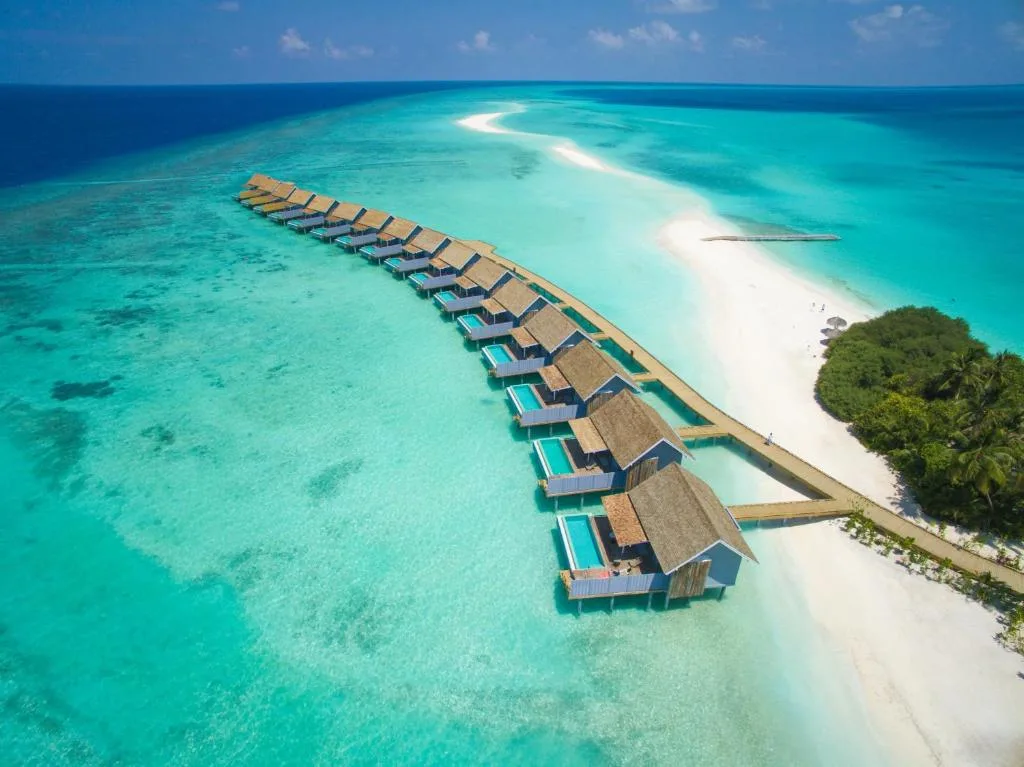 Rasdu
RasduNiva Kuramathi Maldives
4.7Luxury villas, diverse dining, and a vibrant house reef in Ari Atoll
Niva Kuramathi Maldives is a luxurious resort set on a beautiful Maldivian island, offering private villas with sea views and direct access to the beach or gardens. Guests will find 12 dining options, a kids' club, and a spa, alongside three outdoor pools. Water sports and diving facilities are also available, making it ideal for families and those seeking an active yet relaxing escape.
Why guests love itWe brought two children under ten to Niva Kuramathi and the kids' club solved the age gap immediately, letting our older one join a snorkelling taster session while the younger stayed with pool games nearby. Twelve restaurants meant dinner never felt repetitive, and the walk between them let us burn off the day's sun before bed. The one real adjustment: distances here are genuine, so budget extra time getting to activities rather than assuming a five-minute stroll.
Local tips
- 1Snorkel Veligandu's reef earlier in the morning, before boat traffic from day-trip excursions picks up around the island.
- 2Reserve the Rasdhoo Madivaru hammerhead dive through Niva Kuramathi's dive centre a few days ahead, since dawn slots fill quickly.
- 3Bring your own mask if you're particular about fit, though both resorts rent reasonable snorkelling gear on-site.
- 4Ask which side of Veligandu's island the current is running before you swim out, since conditions can shift with the tide.
- 5If you're not certified to dive, stick to the house reefs at either resort rather than attempting the deeper Madivaru site.
- 6Pack a rash guard for reef sessions, since the equatorial sun burns faster on the water than it feels on land.
Related searches
House Reef · Frequently asked
Veligandu's reef sits close to shore on the ocean side of its sandbank, reachable by a short swim from most villas. Niva Kuramathi's reef sits alongside a full water sports and diving centre, better suited to guests who want boat-based dives as well as shore snorkelling, though the walk to the water can be longer on its larger island.