Best Diving Stays in Randheli, Noonu Atoll
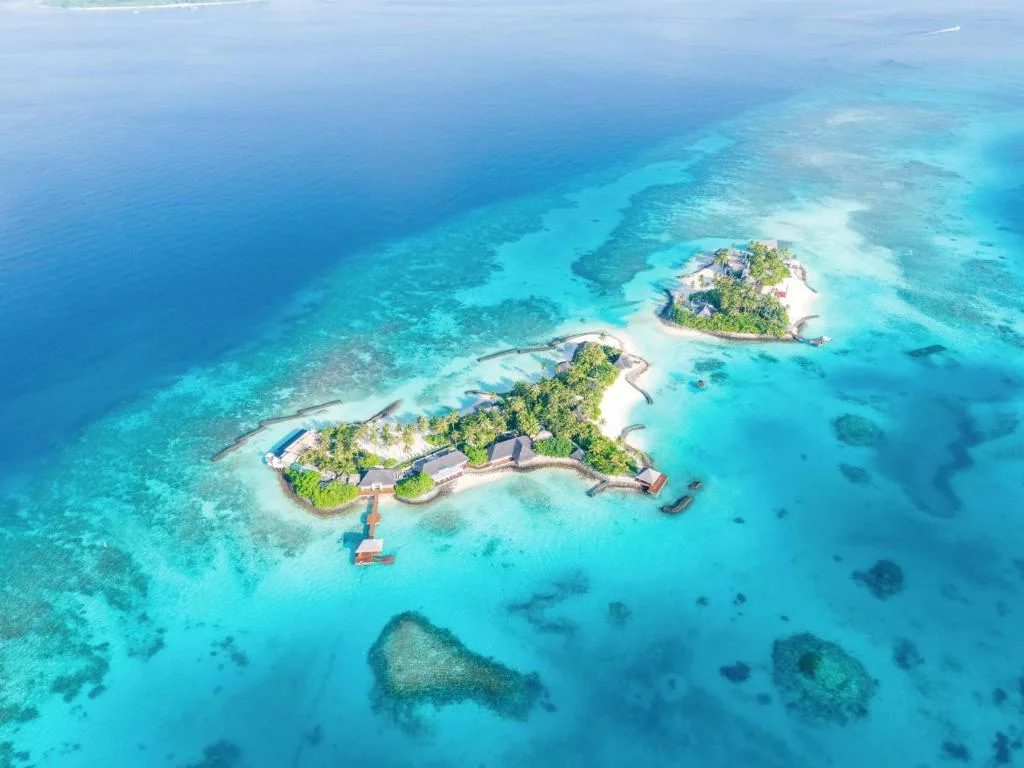
Randheli sits in Noonu Atoll, a quieter northern atoll reached by seaplane in around 40 to 45 minutes from Velana International Airport rather than a same-day speedboat crossing. Cheval Blanc Randheli is the island's single luxury resort, with a dive centre running trips into Noonu's channels and thilas, sites that see noticeably less traffic than the more heavily dived central atolls closer to Male. Divers who choose Randheli are usually trading a longer, more deliberate transfer for reef conditions and crowd levels that the busier dive circuits south of Male cannot really match anymore.
Randheli has no local village since it is a single private resort island, so its character is set entirely by the property and by Noonu Atoll's remoteness from the Maldives' more visited dive circuits. Days follow the rhythm of boat departures, house reef time and the resort's own five-star pace rather than any organised entertainment schedule beyond what the property runs. That quiet, low-traffic setting is precisely what distinguishes Randheli's diving identity from busier, more centrally located Maldives dive bases.
Diving · Randheli in numbers
Where to stay
Why Noonu Atoll's quieter reefs are worth the transfer
What makes diving from Randheli worth the seaplane transfer is Noonu Atoll's relative obscurity within the Maldives dive scene: fewer resorts, fewer boats, and reefs that have not seen the same decades of concentrated dive tourism as the central atolls. The resort's dive centre runs both boat trips into the wider atoll and house reef sessions right off the property, so a single stay can combine variety with the convenience of a five-star base. That combination of quieter reefs and full resort infrastructure is the core case for choosing Randheli specifically.
Noonu Atoll's channels see a fraction of the boat traffic that South Ari or North Male Atoll's better-known dive sites do, which shows up directly in fish density and reef condition on Cheval Blanc Randheli's regular boat trips. Grey reef sharks, eagle rays and large schools of fusiliers are a common sight on the deeper channel dives, while the shallower plateaus suit divers still building up experience. The dive centre times trips around the calmest tidal windows, since Noonu's channels can run a stronger current than more sheltered sites further south.
The house reef right off the resort gives a boat-free option for a morning or late-afternoon dive, with coral cover that has benefited from the atoll's lower overall visitor numbers compared with the Maldives' more established dive circuits. It works well as a warm-up before a boat trip or a way to fill a rest day between excursions further into the atoll, without needing to plan around a boat schedule. That gap between resort infrastructure and boat-only access is a genuine advantage of choosing Randheli for a rest day. Rest days built around the house reef tend to leave divers more energetic for the next boat excursion.
Certification courses run through Cheval Blanc Randheli's own dive centre, useful for guests who want to start diving mid-stay in genuinely uncrowded water rather than a busy training site closer to Male. Instructor-to-student ratios tend to stay small given the resort's overall guest capacity, which matters more for confidence-building dives than for experienced divers simply logging hours. Booking a course early in a stay leaves more days to use the certification on Noonu's wider sites afterwards. That balance of quiet water and structured training is harder to find on busier, more central Maldives dive bases.
Manta ray sightings pick up in Noonu Atoll during the wetter months further into the channels, and whale shark encounters, while less predictable than in South Ari Atoll, do occur on occasion. The dive centre tracks recent sightings and adjusts excursion routes accordingly, which rewards guests staying five nights or more with a better shot at seeing the atoll's full range of marine life rather than a single fixed itinerary. Guests who ask staff directly tend to plan their excursions more effectively than those working from a fixed itinerary. Randheli's own logbook of sightings is a useful starting point for planning a longer dive itinerary.
A traveler's takeDivers who choose Cheval Blanc Randheli generally accept the longer seaplane transfer in exchange for genuinely quieter reefs, building their stay around the dive centre's boat schedule and treating the house reef as a convenient extra between excursions. It suits a diving-focused trip more than a quick weekend, given the transfer alone rules out a short visit.
Local tips
- 1Book your seaplane transfer as early as possible, since flights only operate in daylight and slots fill fast in high season.
- 2Ask the dive centre about current strength in Noonu Atoll's channels before a boat dive, since conditions there run stronger than more sheltered central-atoll sites.
- 3Use the house reef at Cheval Blanc Randheli as a warm-up or rest-day option between boat excursions further into the atoll.
- 4Start a certification course early in your stay if you are not yet qualified, to leave time for open-water dives afterwards.
- 5Ask about recent manta ray or whale shark sightings before booking an excursion, since the dive centre adjusts routes based on current activity.
- 6Pack your own dive computer and reef-safe sunscreen if you have preferences, since rental stock covers standard needs rather than every option.
Related searches
Diving · Frequently asked
Noonu sees far less dive tourism traffic than South Ari or North Male Atoll, which generally means better fish density and healthier reef conditions on comparable dive sites.